here is the information about our solar system.information about all planets.
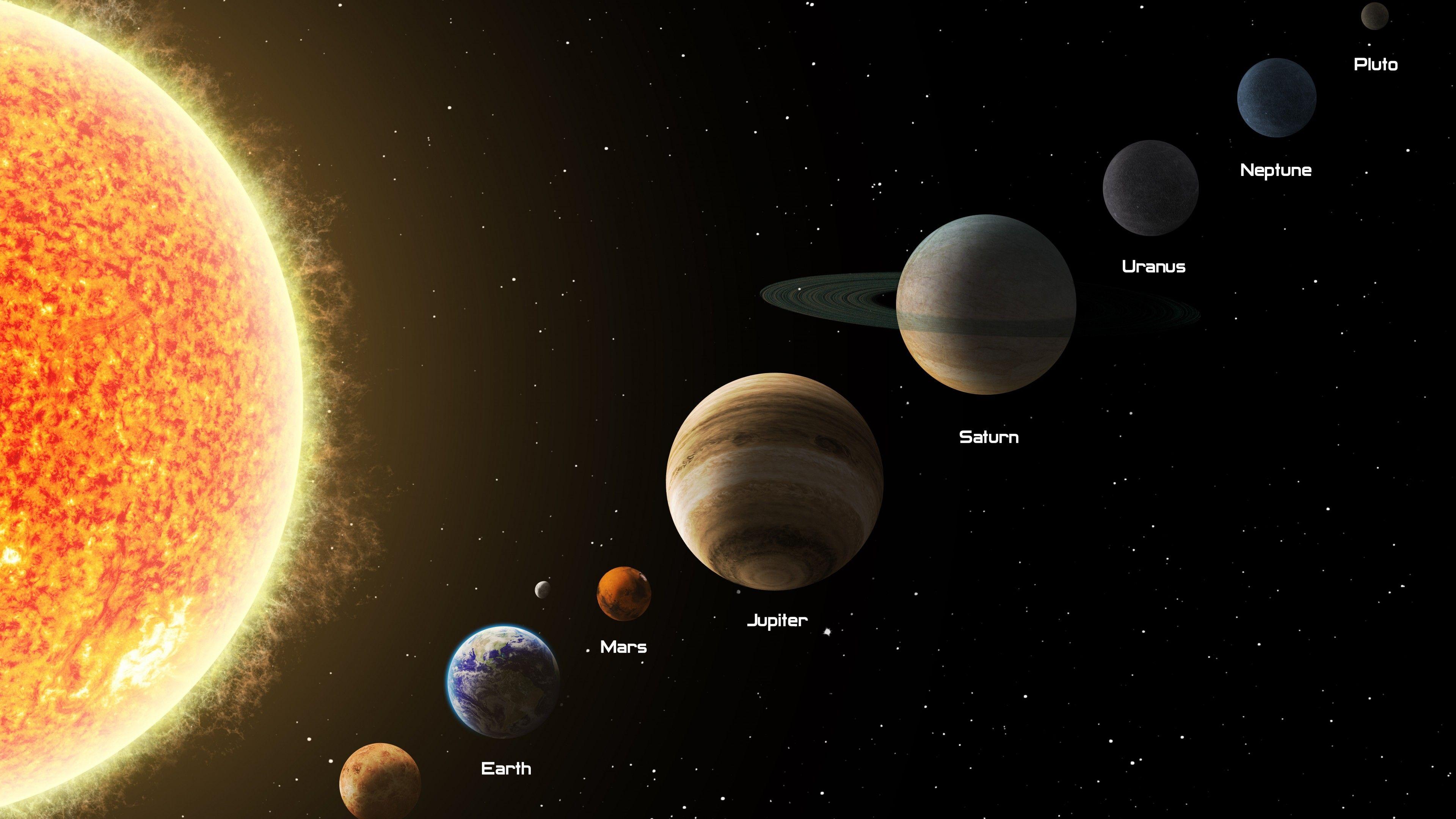
The Solar System is a collection of celestial bodies, including the Sun, eight planets, their moons,
dwarf planets, comets, asteroids, and other objects, all bound by gravity.
there are 8 planets in our solar system.information about each planet is given below.(Images or videos may be take time to load.)
EARTH
Earth is the third planet from the Sun and the only known planet to support life.
1. Size: Earth has a diameter of about 12,742 km (7,918 miles) and is the fifth-largest planet in the Solar System.
2. Surface: Approximately 71% of Earth's surface is covered by water, mainly oceans, with the remaining 29% being land (continents and islands).
3. Atmosphere: Earth has a breathable atmosphere composed of 78% nitrogen, 21% oxygen, and trace amounts of other gases, crucial for sustaining life.
MARS
Mars is the fourth planet from the Sun and is often
referred to as the "Red Planet" due to its reddish appearance caused by iron oxide (rust) on its surface.
1. Size: Mars is about half the size of Earth, with a diameter of 6,779 km (4,212 miles).
2. Surface: Mars has vast plains, mountains, valleys, and the largest volcano in the Solar System, Olympus Mons. It also has deep canyons like Valles Marineris.
3. Atmosphere: The atmosphere is thin and mostly composed of carbon dioxide (95%), with small amounts of nitrogen and argon. It cannot support human life without assistance.
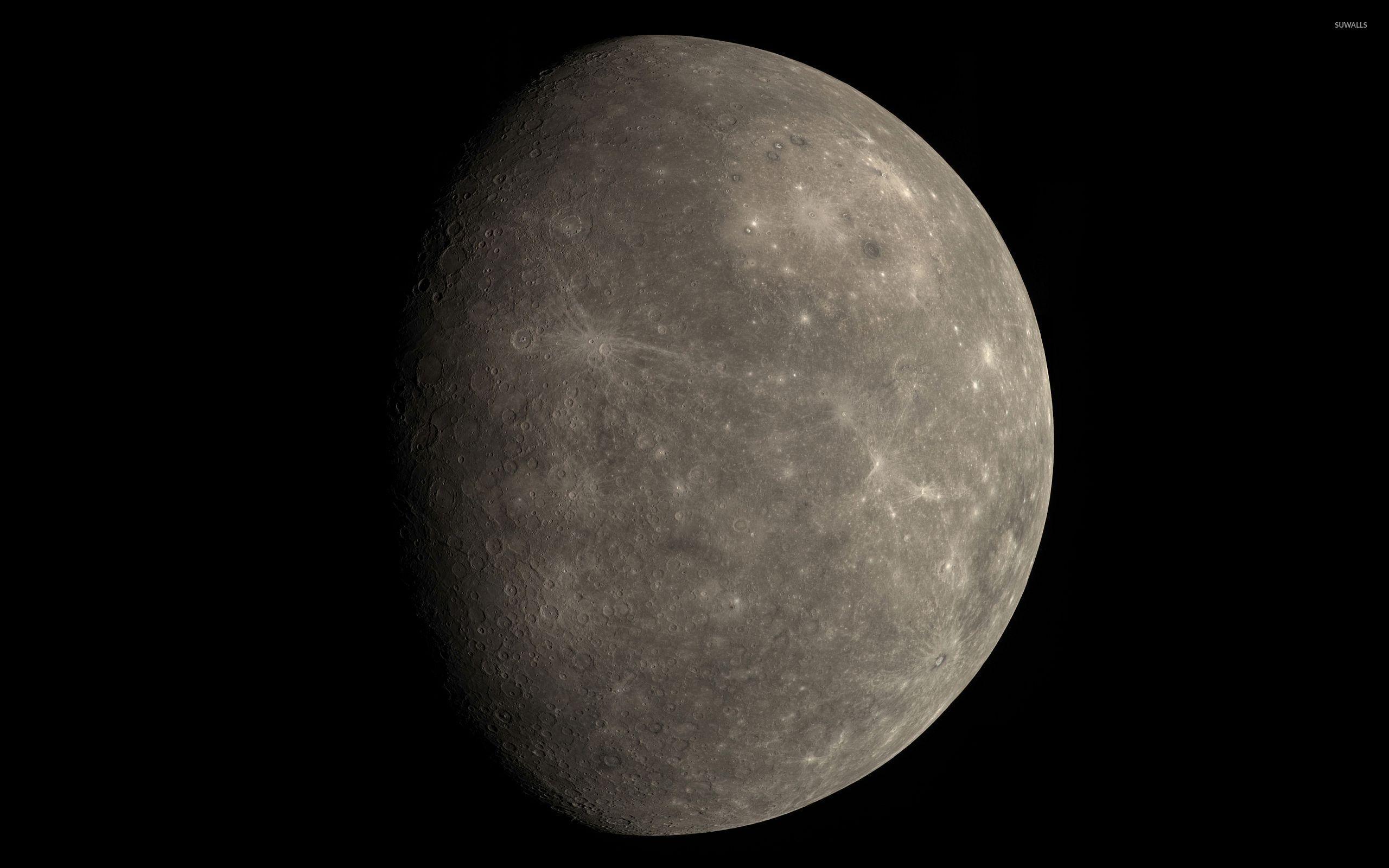
Mercury
Mercury is the closest planet to the Sun and the smallest in our
solar system. It has a diameter of about 4,880 kilometers, making it only slightly larger than the Moon. Due to its proximity to the Sun, temperatures on Mercury can range from extremely hot (up to 430°C or 800°F) during the day to freezing cold (-180°C or -290°F) at night. Mercury has no
atmosphere to retain heat, so temperature fluctuations are extreme.
Mercury has a heavily cratered surface, similar to the Moon, and it experiences long days and short years. A single day on Mercury (one full rotation) lasts about 59 Earth days, while its year (one orbit around the Sun) lasts just 88 Earth days. It has no
moons and is difficult to observe from Earth due to its position near the Sun.
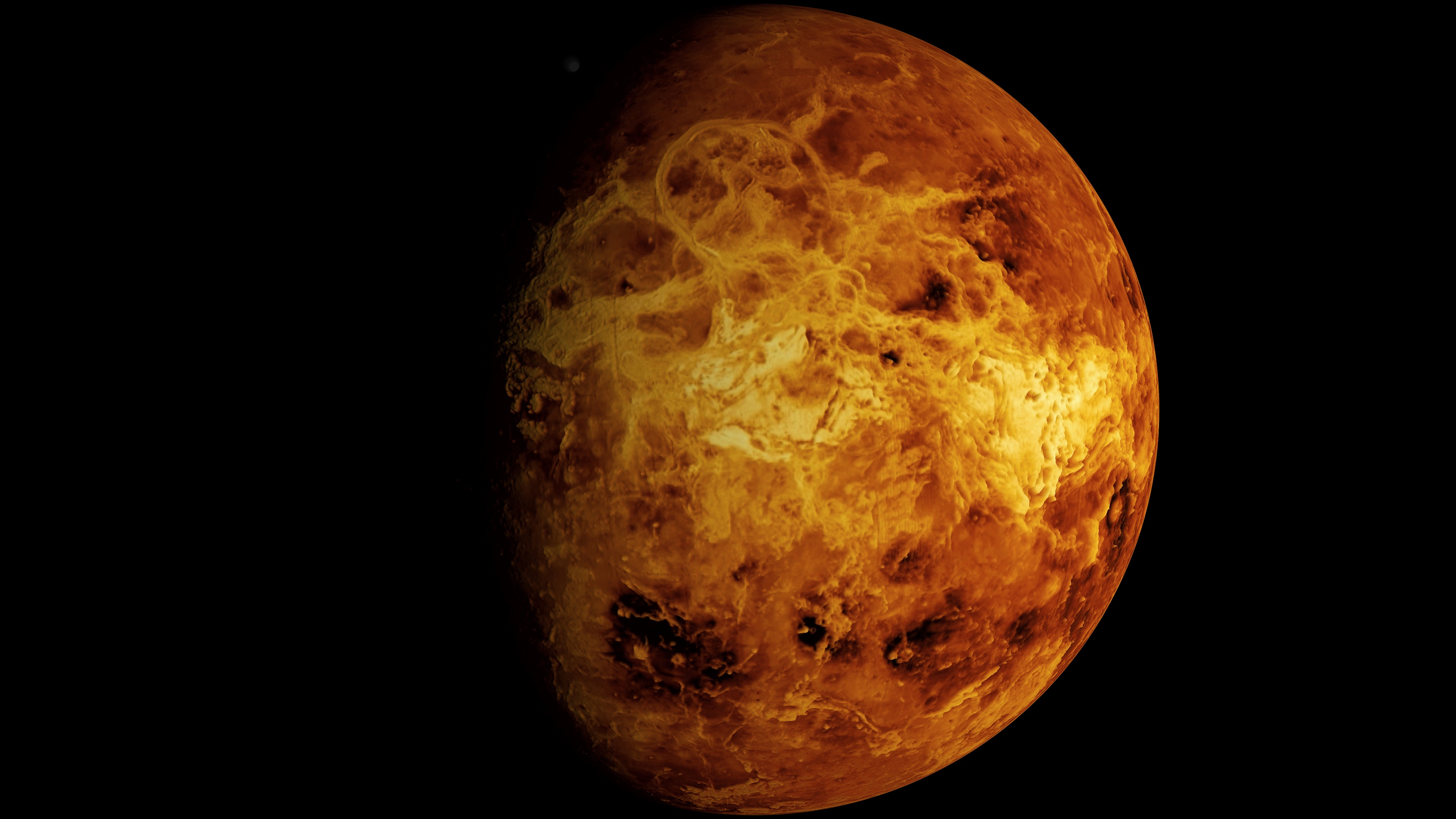
venus
Venus is the second planet from the Sun and is often called Earth's "sister planet" due to its similar size, mass, and composition. However, its conditions are vastly different from Earth’s, making it a hostile environment for life as we know it.
1. Size and Composition: Venus has a diameter of about 12,104 kilometers, making it similar in size to Earth (about 95% of Earth's diameter). It is a rocky, terrestrial planet with a dense core, mantle, and crust.
2. Atmosphere: Venus has a thick atmosphere primarily composed of carbon dioxide (about 96.5%) and nitrogen (3.5%), with traces of sulfur dioxide and other gases. This atmosphere causes a runaway greenhouse effect, trapping heat and
making Venus the hottest planet in the solar system, with surface temperatures around 465°C (869°F), which is hotter than Mercury despite being farther from the Sun.
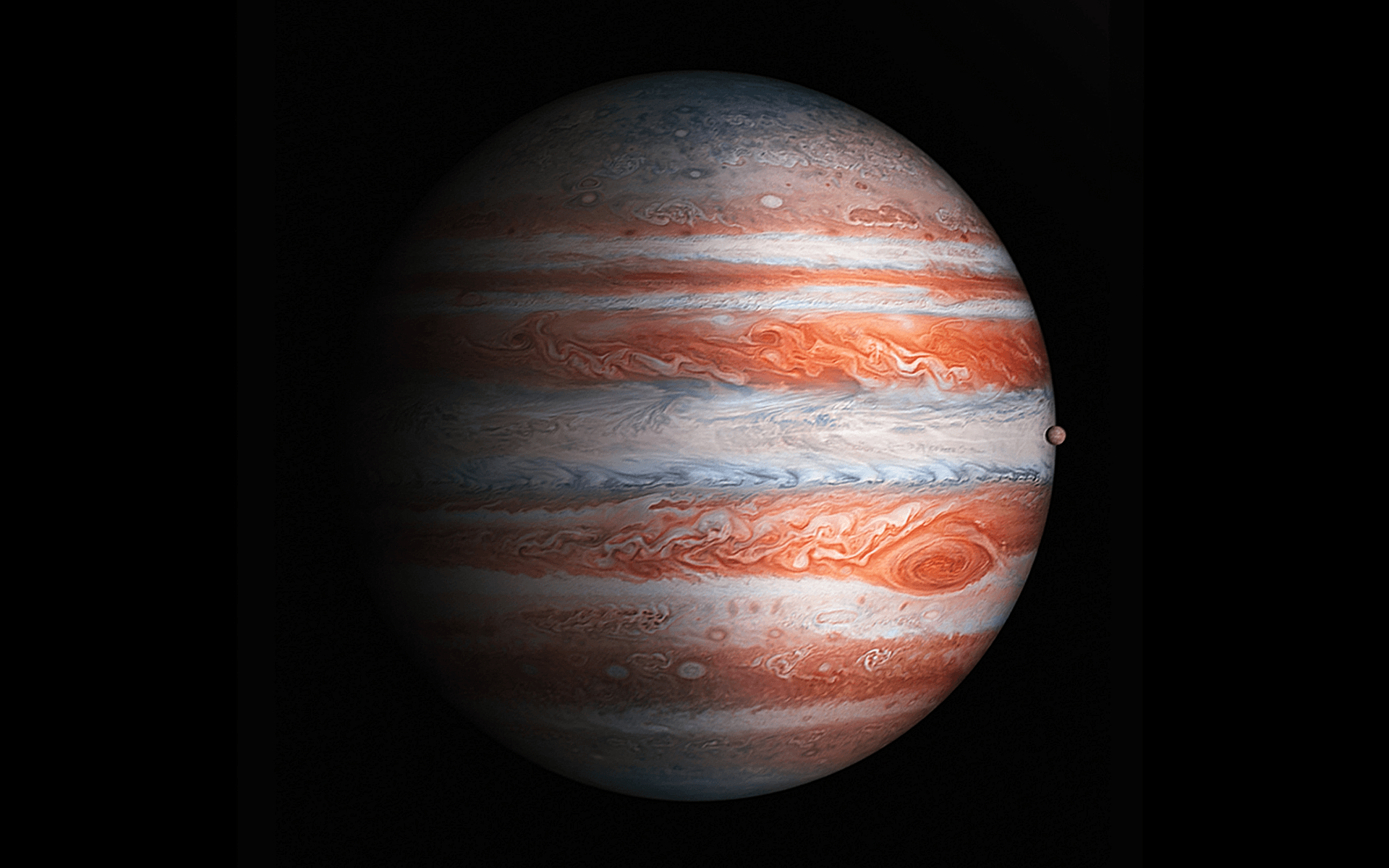
Jupiter
Jupiter is the largest planet in our solar system
and is known for its massive size, powerful storms, and distinctive appearance.
1. Size and Composition
Jupiter is a gas giant with a diameter of about 139,820 kilometers (about 11 times Earth's diameter) and a mass that is more than 300 times that of Earth.
It is primarily composed of hydrogen and helium, with a possible rocky or icy core surrounded by thick layers of gas.
2. Atmosphere
Jupiter's atmosphere is composed mainly of hydrogen (about 90%) and helium (about 10%), with traces of methane, water vapor, ammonia, and other compounds.
The planet's atmosphere features distinctive bands of clouds, which are classified into light (zones) and dark (belts) bands due to different chemical compositions and temperatures.
Great Red Spot: One of Jupiter's most famous features, the Great Red Spot is a giant storm that has been raging for at least 400 years. It's about 1.3 times the size of Earth and could fit several Earth-sized planets inside it.
Saturn
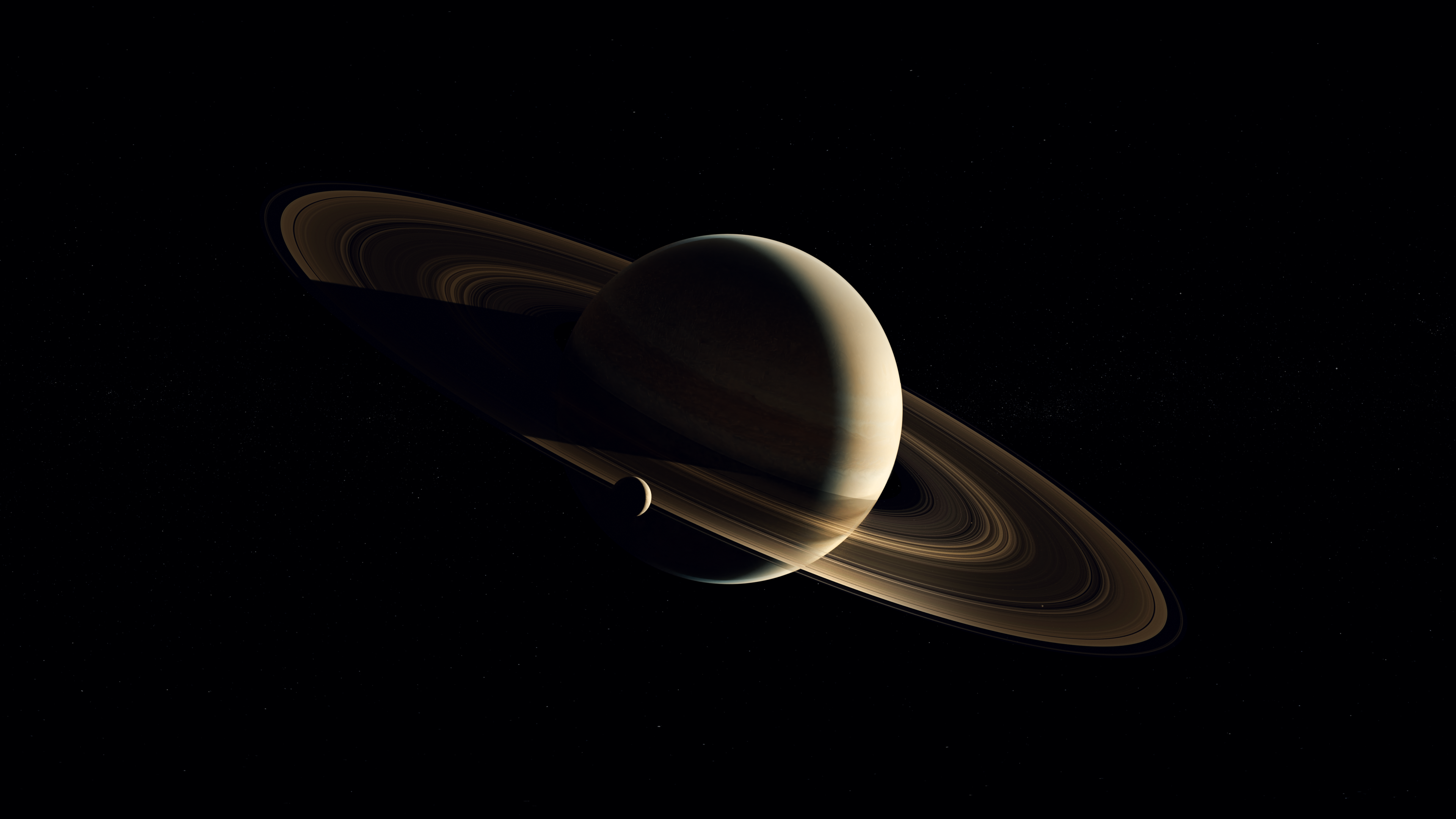
Saturn is the sixth planet from the Sun and is best known for its
stunning ring system. It is a gas giant and one of the most iconic planets in our solar system.
1. Size and Composition
Saturn is the second-largest planet in the solar system, with a diameter of about 116,460 kilometers (about 9.5 times that of Earth).
It has a mass about 95 times that of Earth and is primarily composed of hydrogen and helium, similar to Jupiter.
Saturn is mostly a gas and liquid planet with no solid surface, but it likely has a small, dense core made of rock and metal.
2. Atmosphere
Saturn's atmosphere is mostly composed of hydrogen (about 96%) and helium (about 3%), with trace amounts of methane, ammonia, and other gases.
The planet has banded cloud formations, similar to Jupiter, but its bands are less distinct and more diffuse. Winds in the atmosphere can reach speeds of up to 1,800 km/h (1,100 mph) at the equator.
Saturn's atmosphere also features large, long-lasting storms, and a massive, hexagonal-shaped storm at its north pole, which is one of its most distinctive features.
Uranus
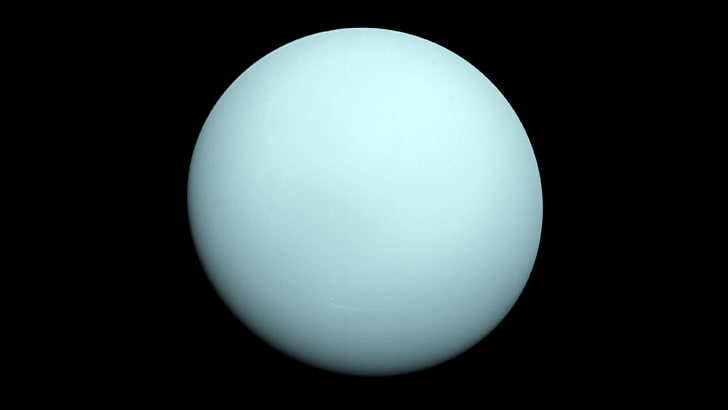
Uranus is the seventh planet from the Sun and is known for its unique characteristics, particularly its extreme tilt and appearance as an "ice giant."
1. Size and Composition
Uranus is the third-largest planet in the solar system by diameter, with a diameter of about 50,724 kilometers (about 4 times the diameter of Earth).
It has a mass about 14.5 times that of Earth and is primarily composed of hydrogen, helium, and "ices" like water, ammonia, and methane, which is why it's classified as an ice giant (as opposed to a gas giant like Jupiter or Saturn).
2. Atmosphere
The atmosphere of Uranus is mostly composed of hydrogen (about 83%), helium (about 15%), and methane (about 2%), which gives the planet its distinctive blue-green color. Methane absorbs red light and reflects blue and green wavelengths.
The planet’s atmosphere is quite cold, with temperatures around -224°C (-371°F), making Uranus the coldest planet in the solar system.
Neptune
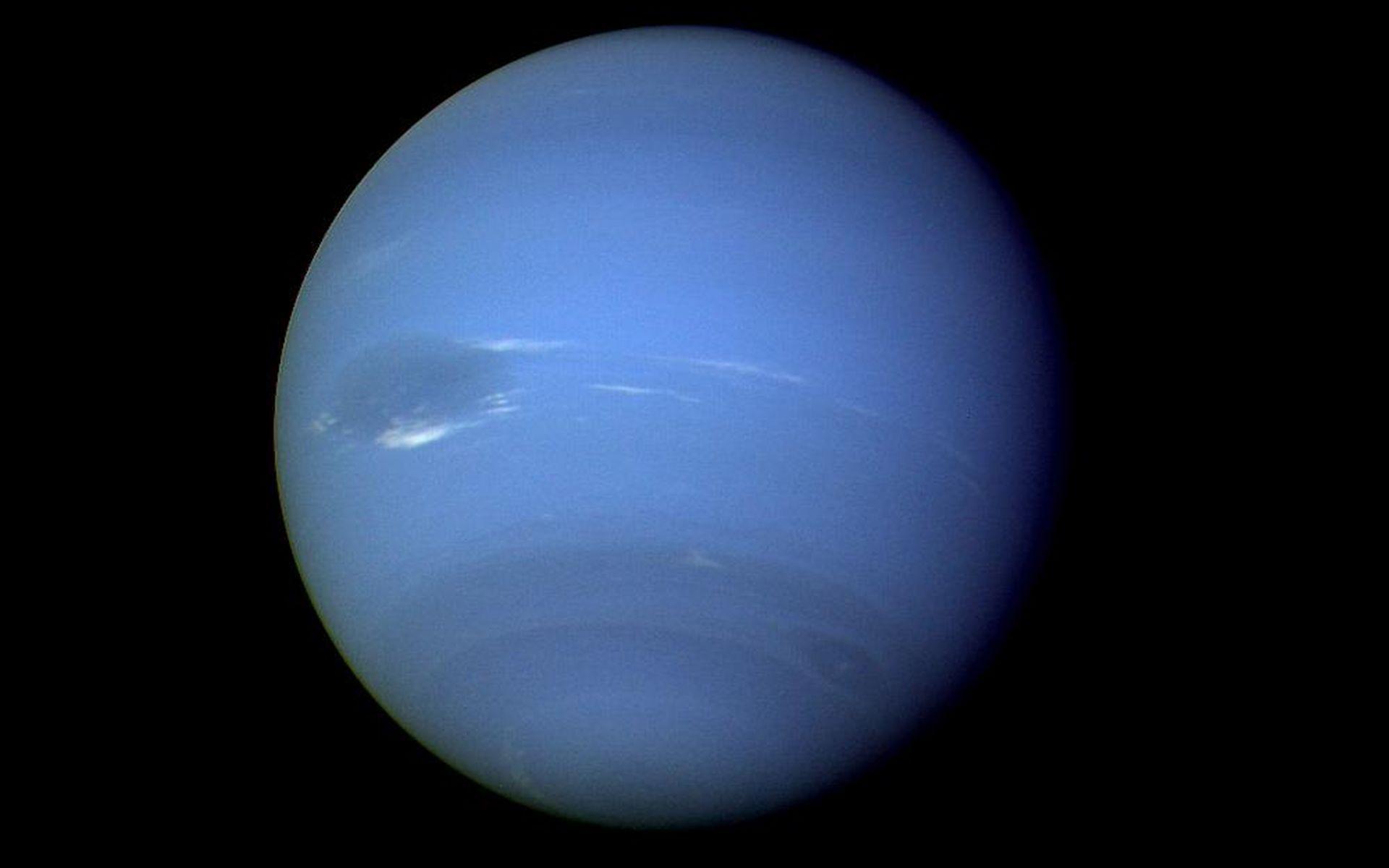
Neptune is the eighth and farthest planet from the Sun in our solar system. It is known for its striking blue color, strong winds, and dynamic weather patterns.
1. Size and Composition
Neptune is the fourth-largest planet in the solar system by diameter, with a diameter of about 49,244 kilometers (about 4 times the size of Earth).
It has a mass about 17 times that of Earth and is composed primarily of hydrogen, helium, and ices like water, ammonia, and methane, making it an ice giant (similar to Uranus).
Neptune’s interior consists of a rocky core surrounded by an icy and gaseous envelope.
2. Atmosphere
Neptune’s atmosphere is made mostly of hydrogen (about 80%), helium (about 19%), and a small amount of methane (which gives Neptune its blue color by absorbing red light and reflecting blue light).
The planet has visible clouds in its atmosphere that are primarily made of methane ice. Neptune's weather is very active, with large storm systems and high-speed winds.